The Beacon - Extinction Rebellion
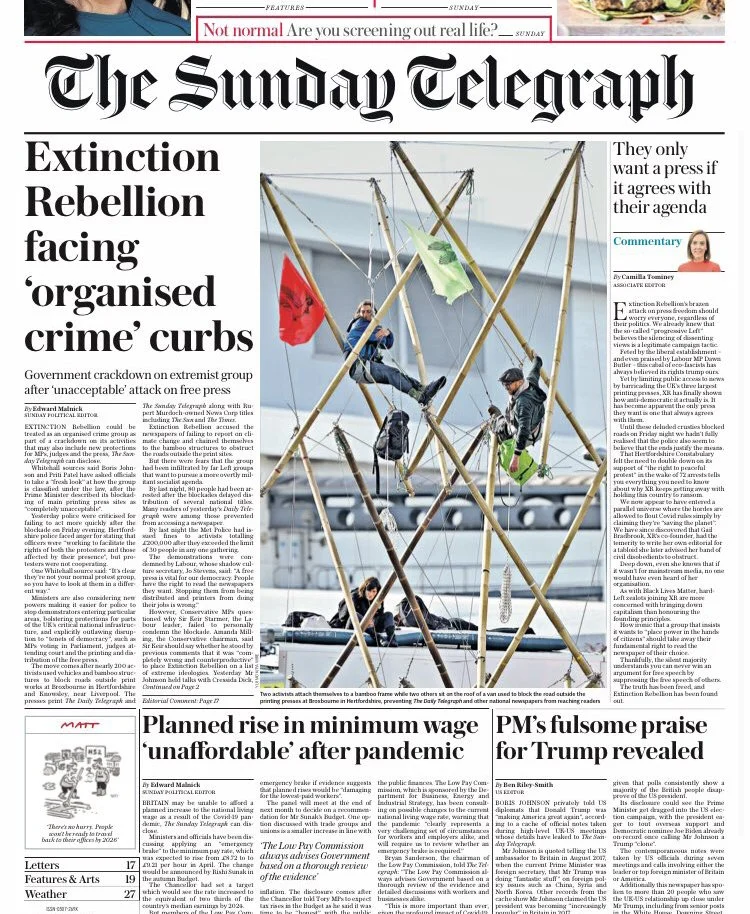
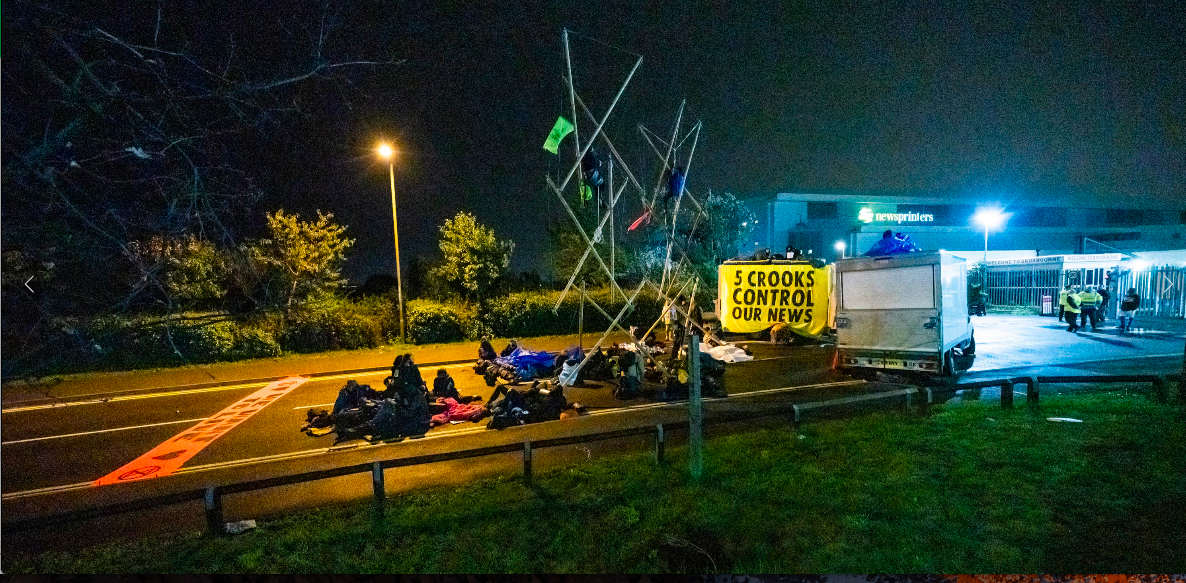
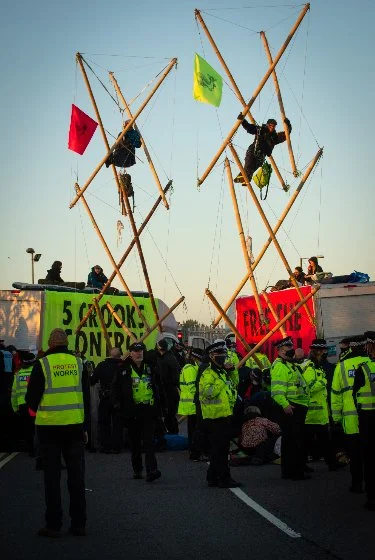
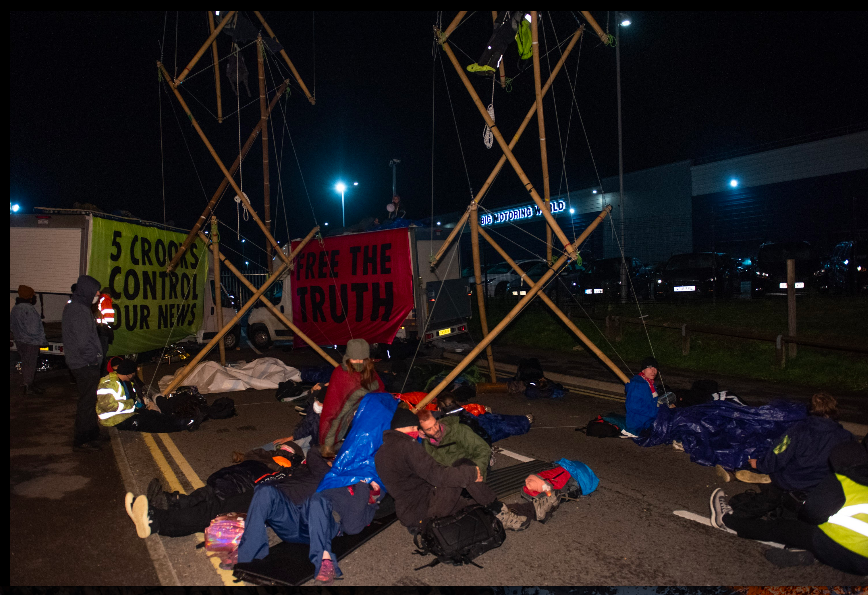
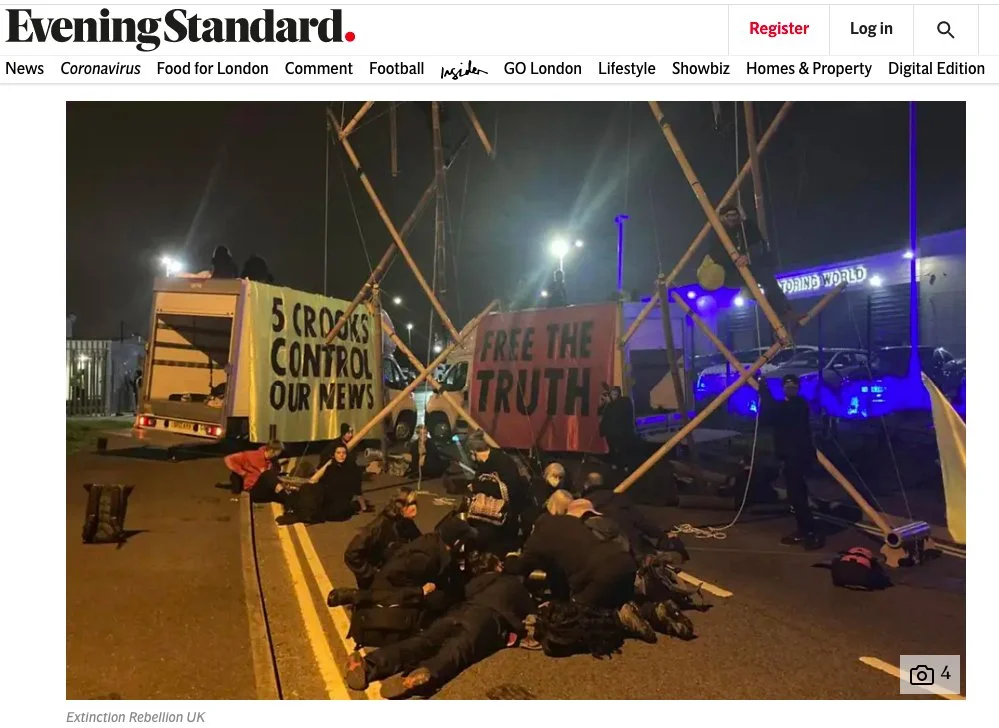
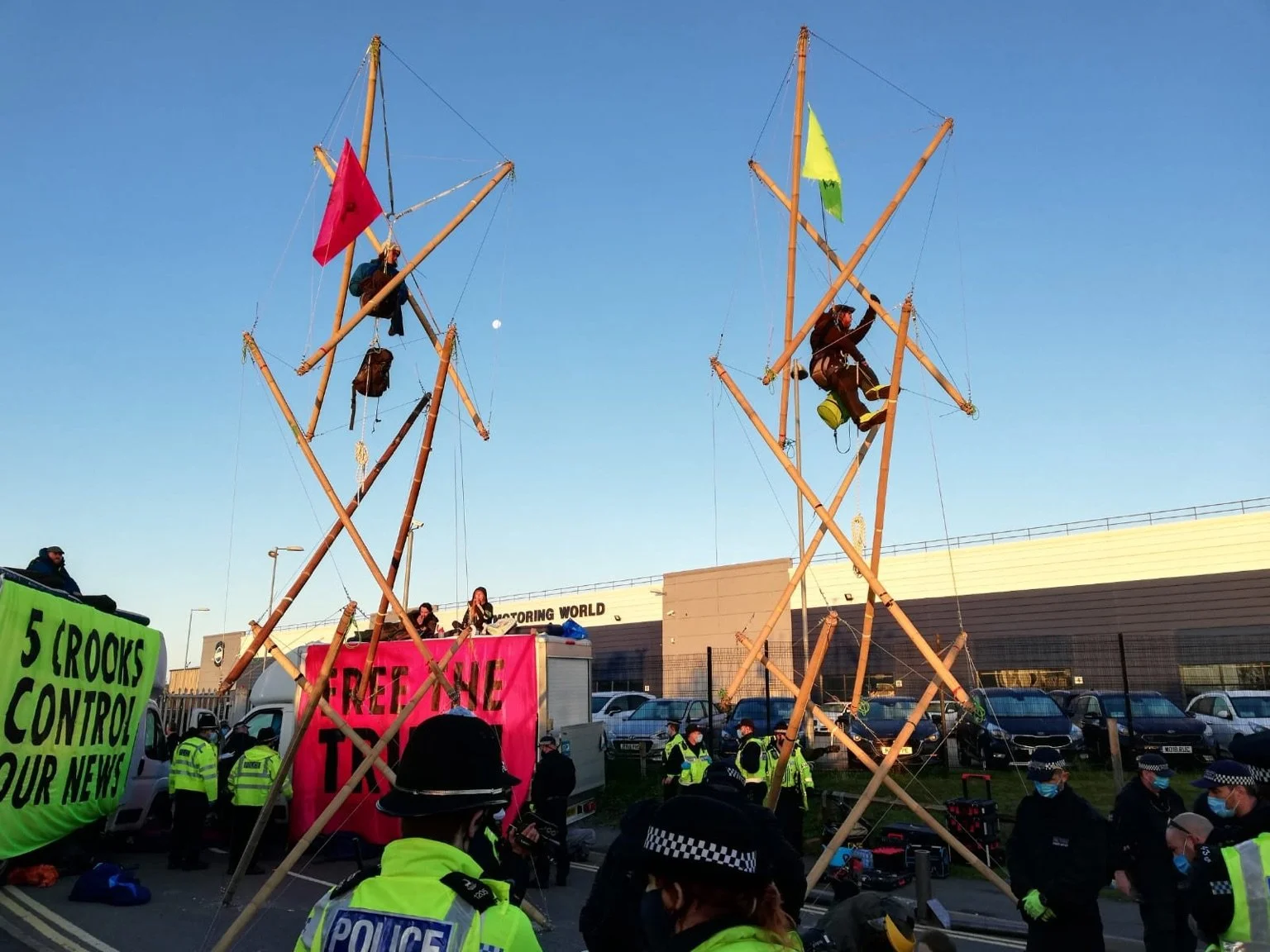
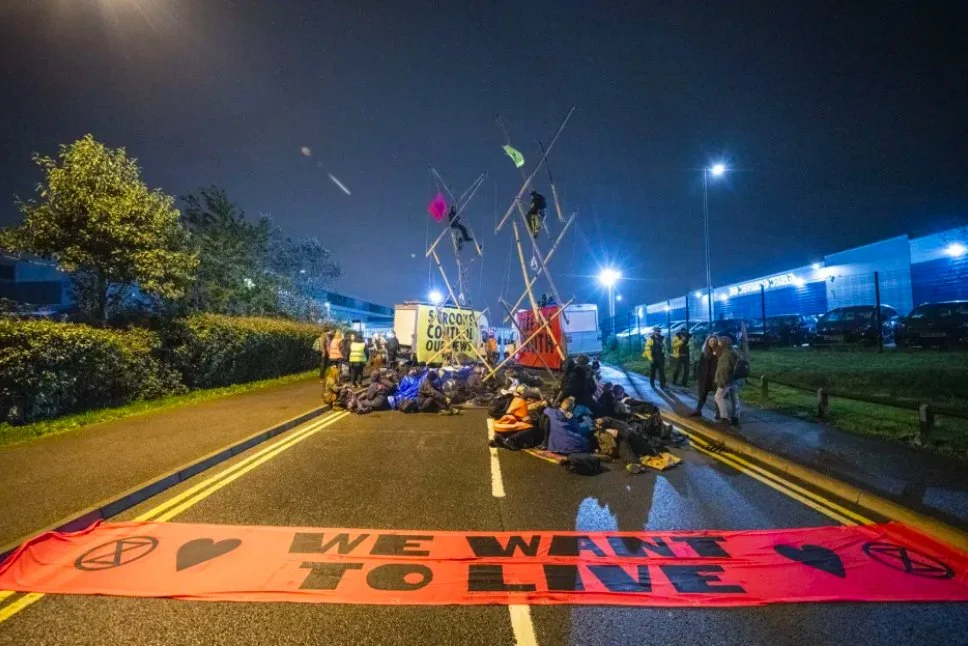
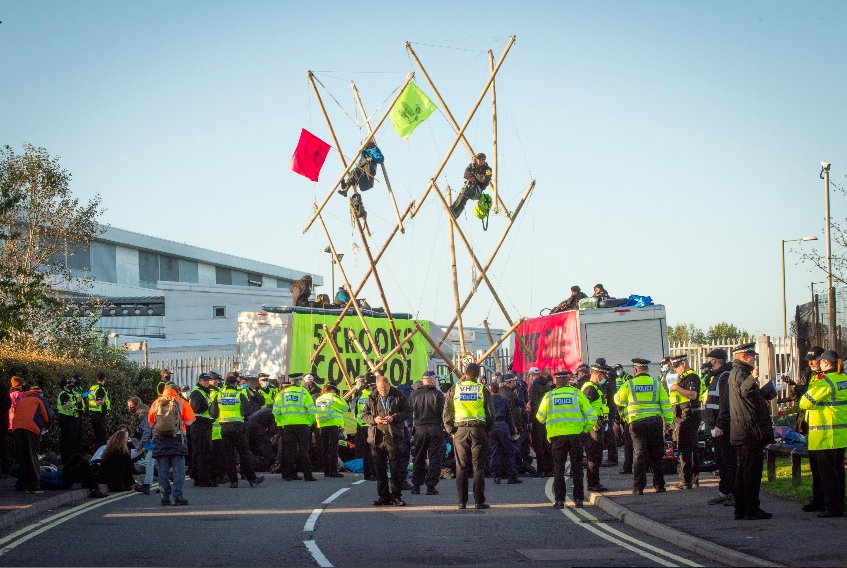
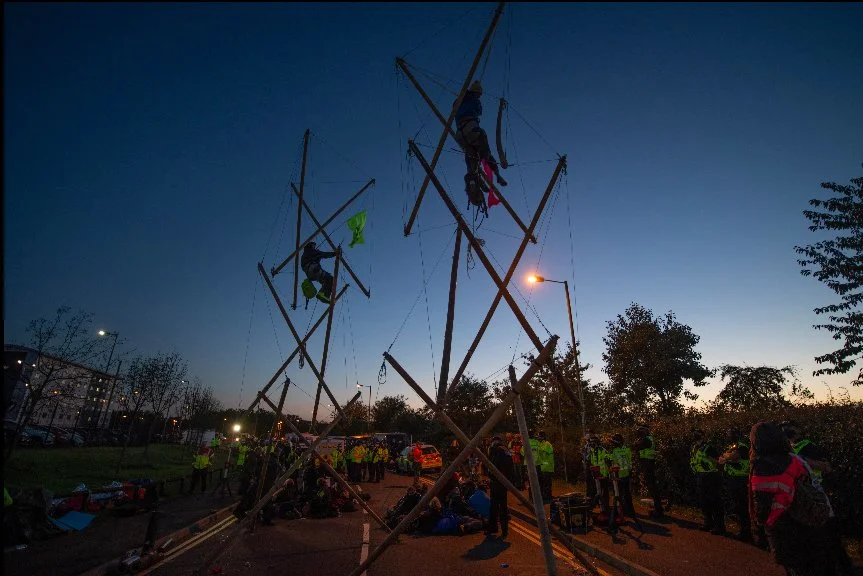
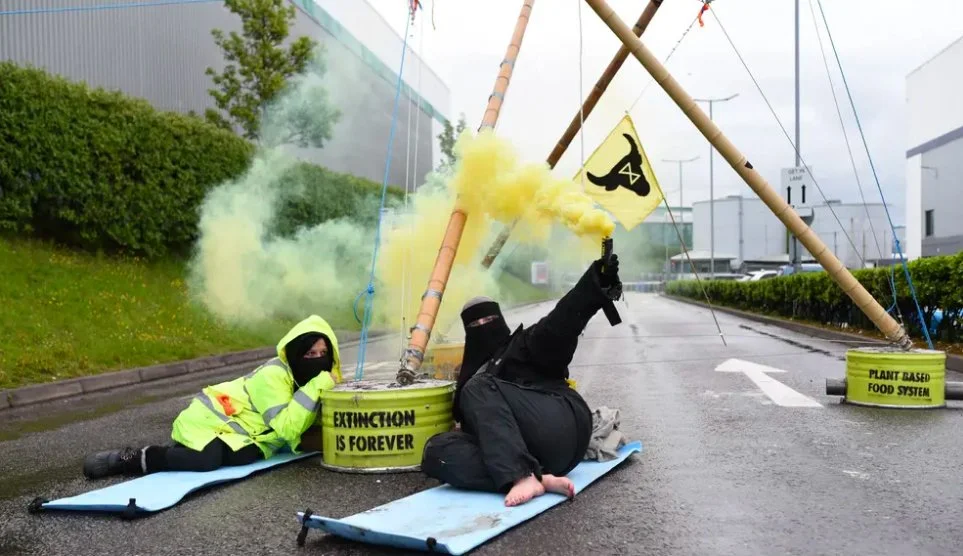
Described variously as ‘organised crime’ (Priti Patel), ‘a war on free speech and democracy’ (Janet Daley, Sunday Telegraph), and ‘it should win the Stirling Prize’ (Phineas Harper, Dezeen), these Extinction Rebellion bamboo structures, occupied by brave rebels, blocked the Murdoch organisation’s printing presses at Broxbourne in September 2020, halting the distribution of the next day’s papers.
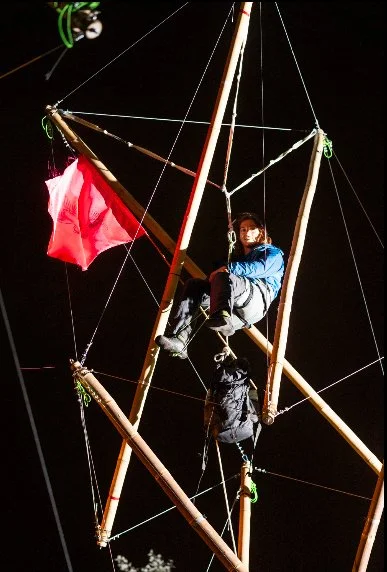
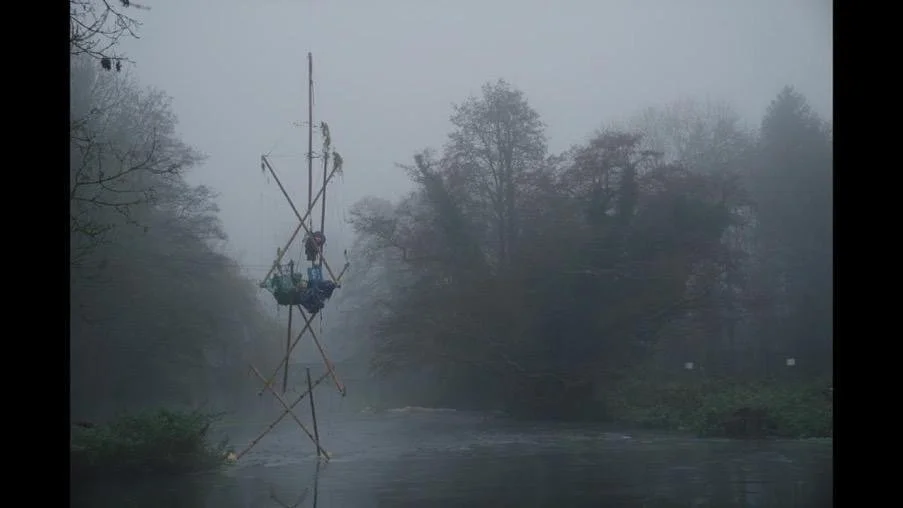
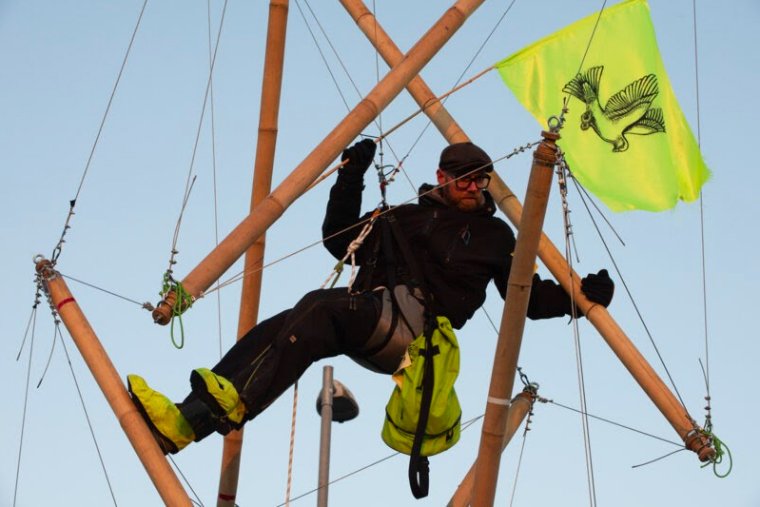
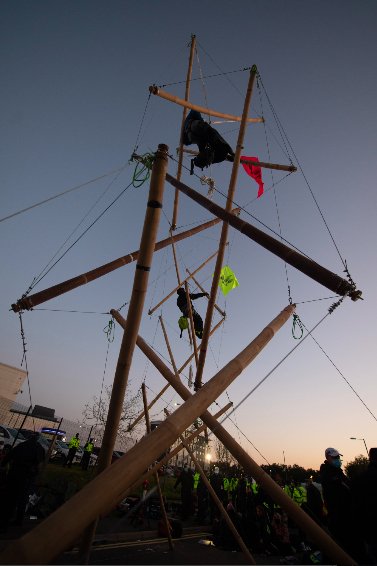
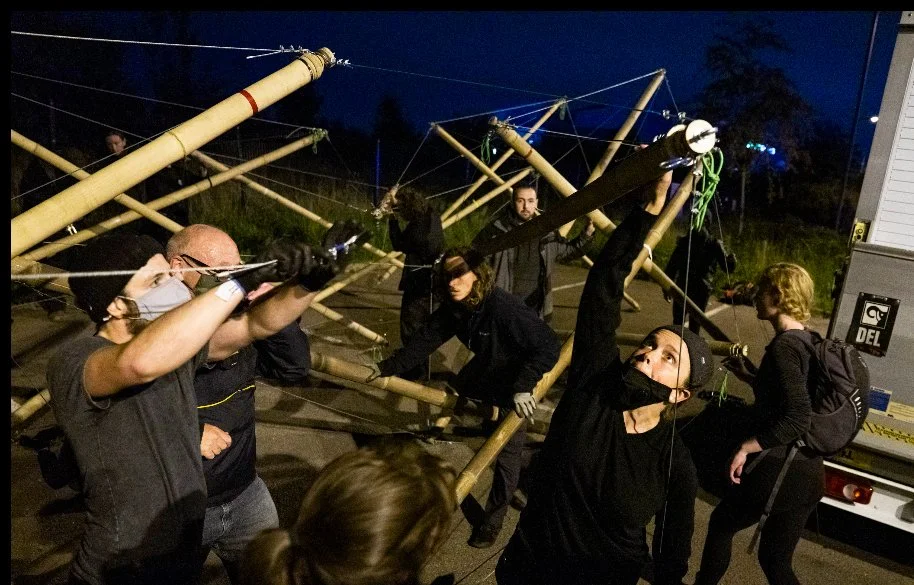
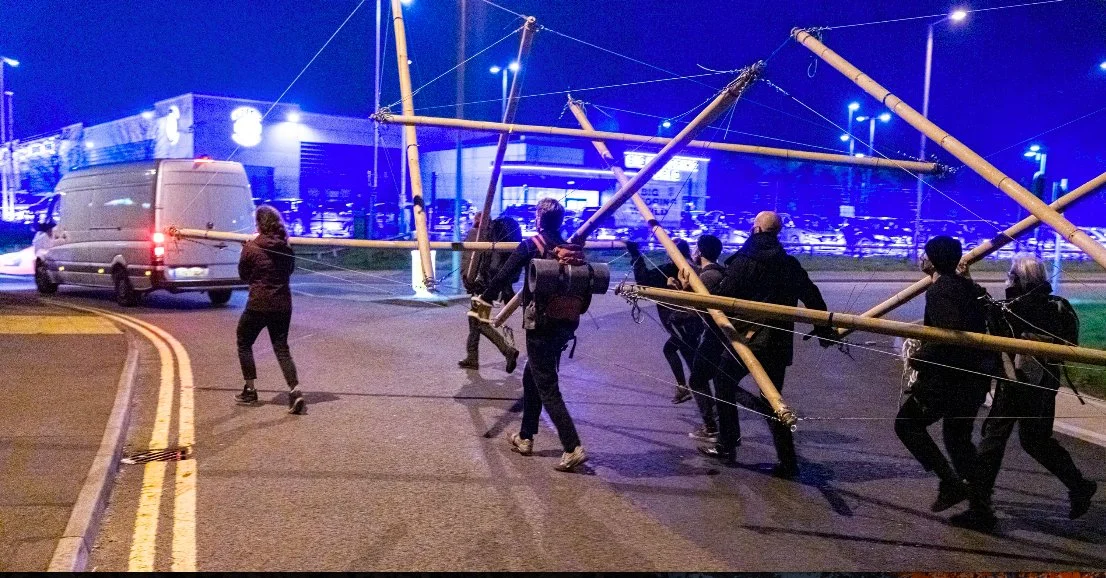
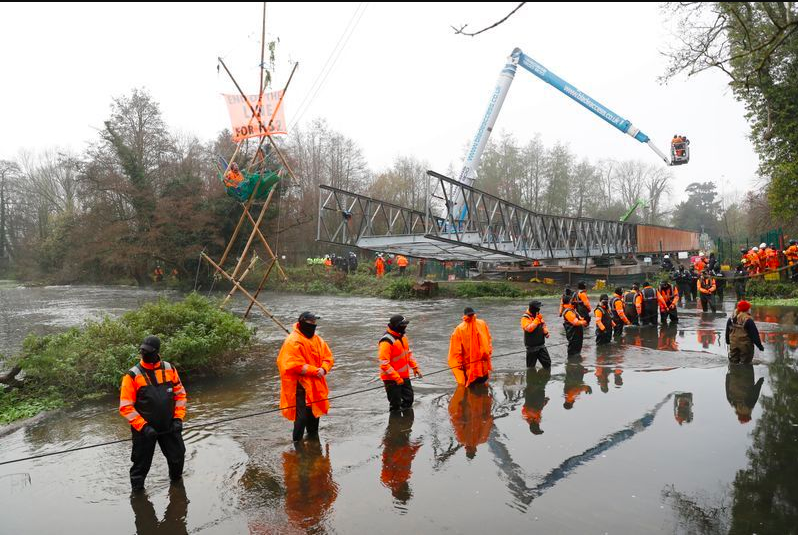
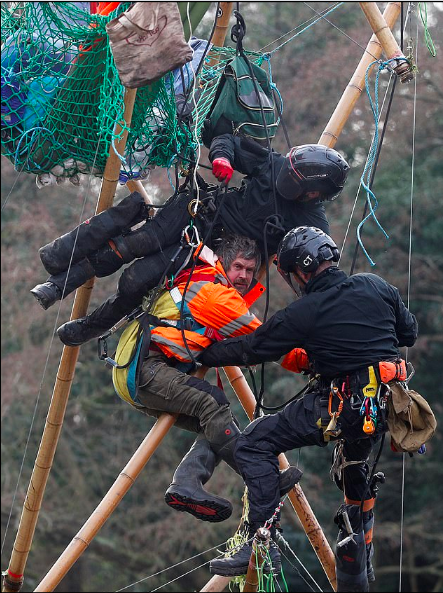
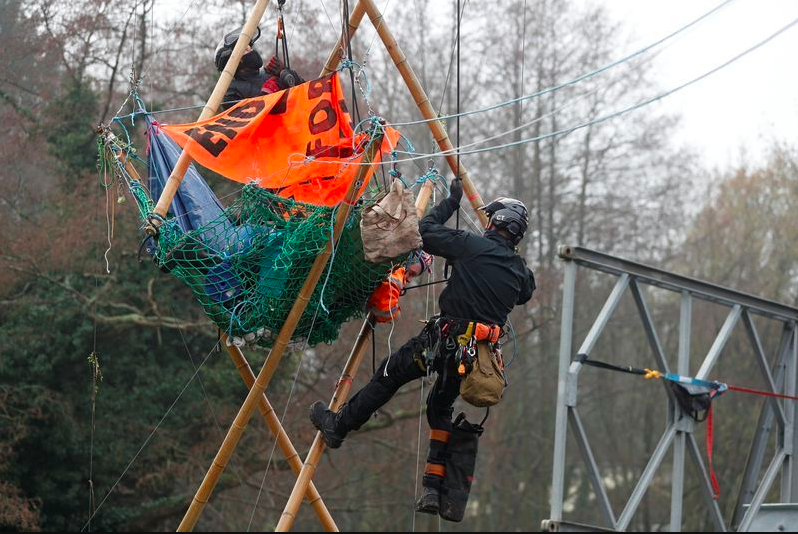
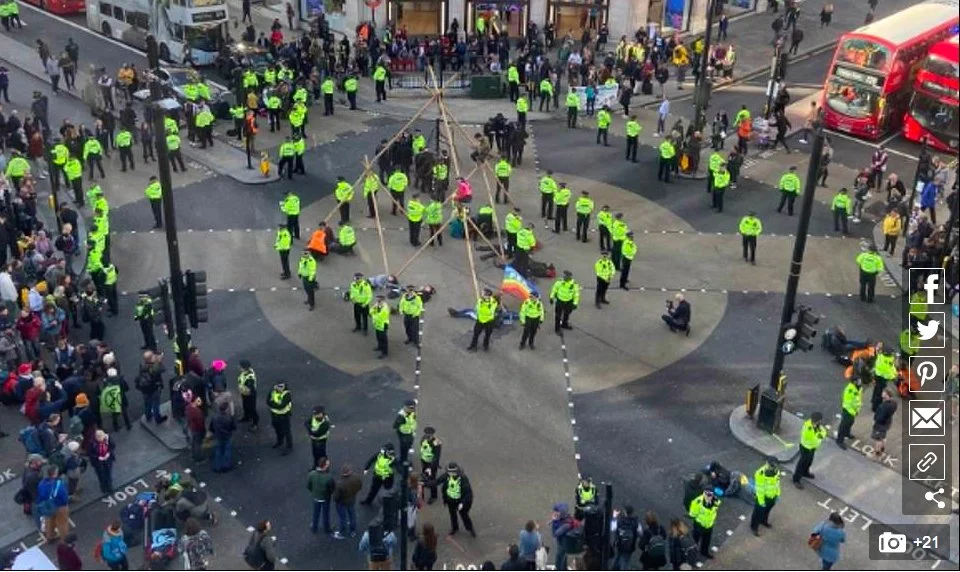
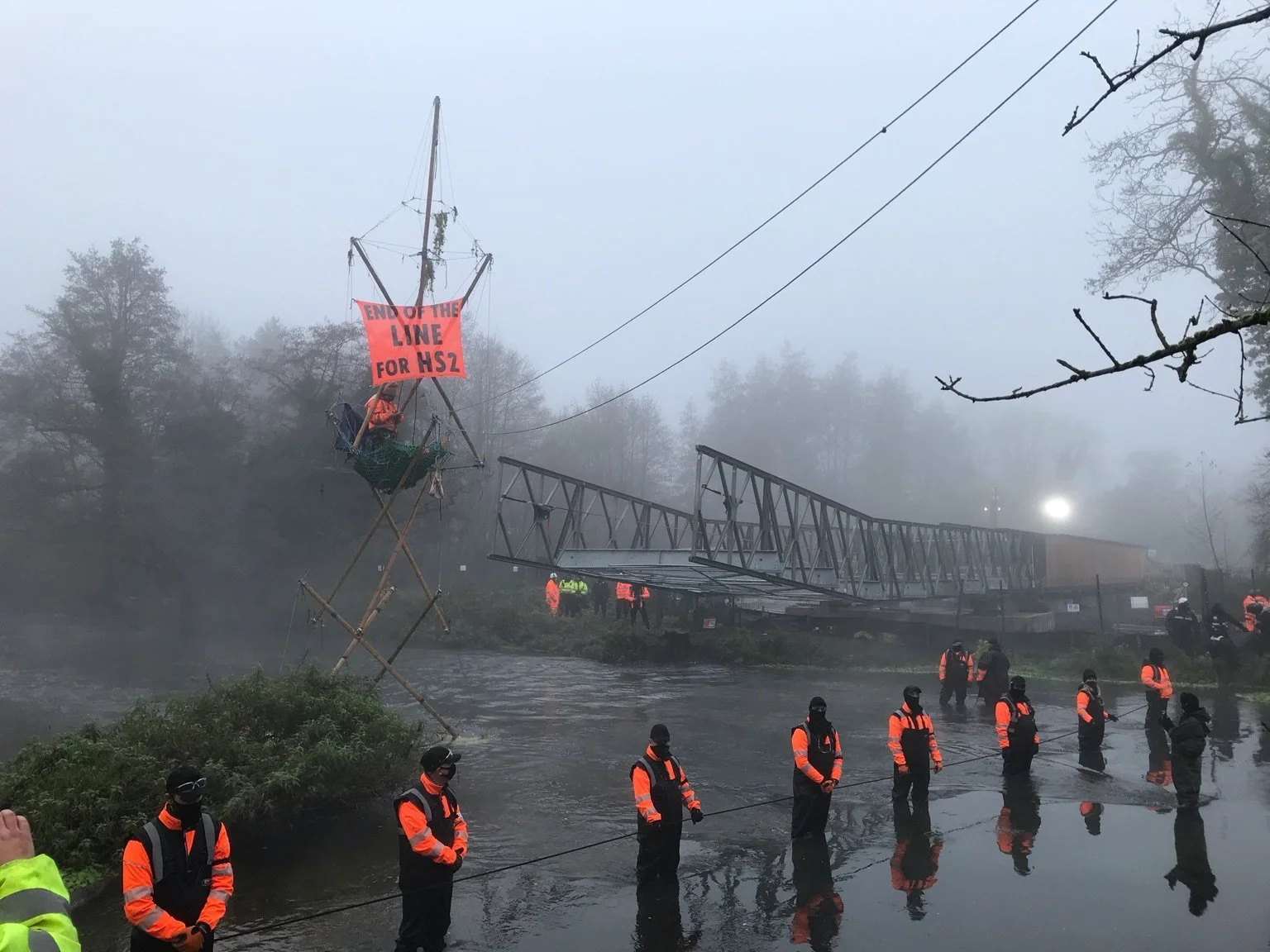
Lightweight, strong, mobile and cheap, the bamboo structure could be carried into a contested site and erected in a minute. Three climbers would occupy the upper section for a day or longer, blocking a main road or the access to a commercial site, whether Murdock’s printing presses, an Amazon warehouse, or the building site for HS2. Built on tensegrity principles, where no pole touches another, it presented itself as an evocative and hopeful structure that seemed to defy gravity, one that the police could not understand or remove. From its first use in the UK, activists in France, Australia, Germany, The Netherlands, Switzerland, Italy and other countries have and continue to use it for protest against climate change.
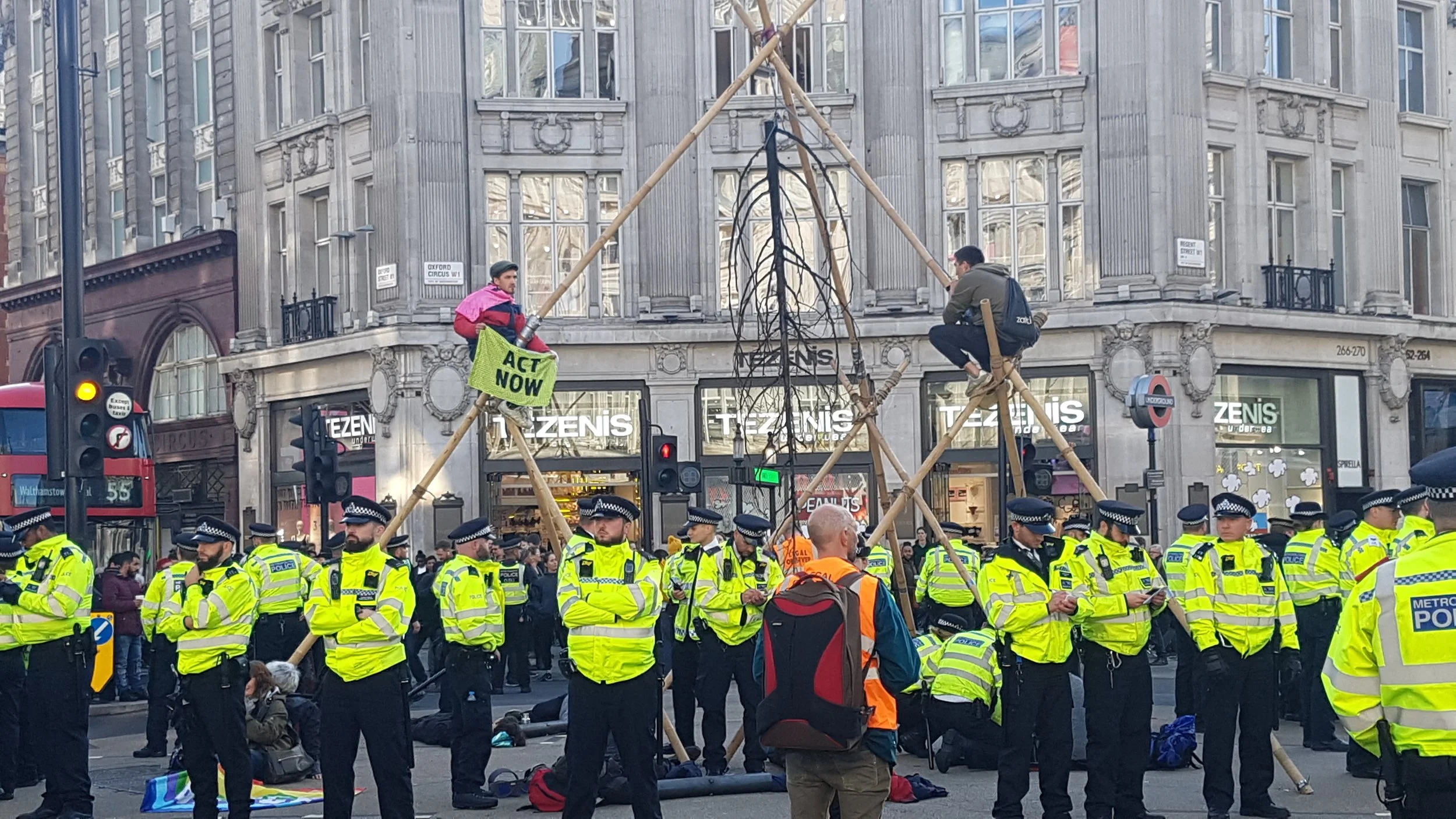
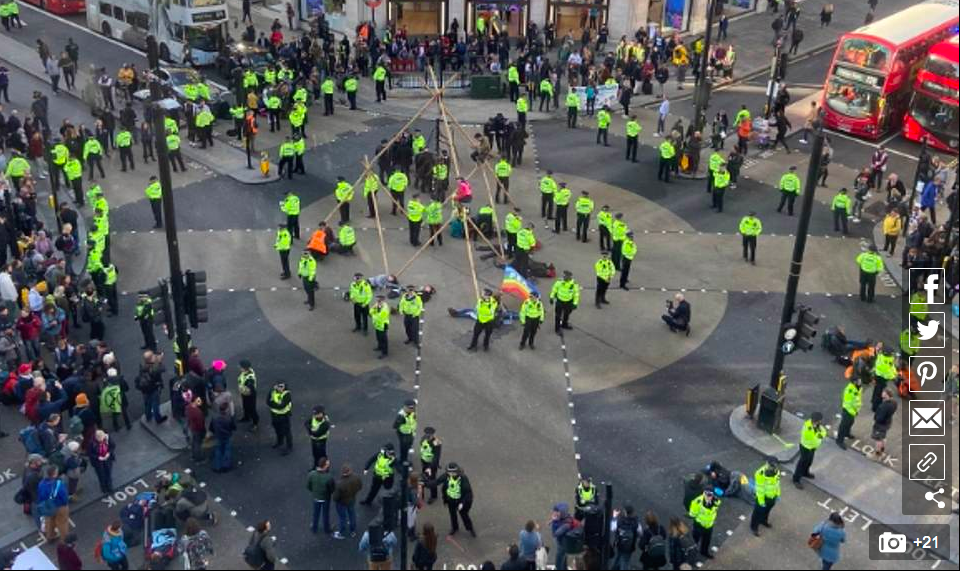
Designed for Extinction Rebellion, they are one of a series of lightweight bamboo structures intended and available for climate change protests anywhere. Previous structures were designed to block Westminster Bridge (a failure) and Oxford Circus (a success) in 2019.
“Organised crime” – Priti Patel, Home Secretary
“A war on free speech and democracy” – Janet Daley, Sunday Telegraph
“It should win the Stirling Prize” – Phineas Harper, Dezeen
-
Designed by Julian Maynard Smith and Morgan Trowland, built by members of Extinction Rebellion
Exhibited at the Victoria and Albert Museum, the International Architectural Biennale Rotterdam, MAK (Vienna) 2025